
平安rock 『織姫いくたり』
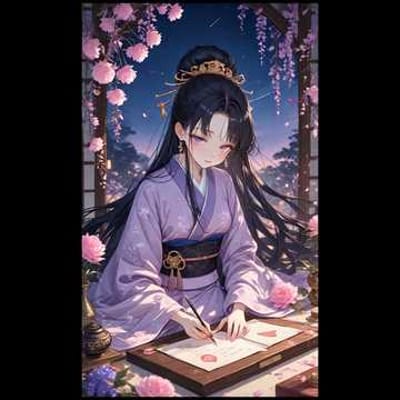
Lyrics
平安Rock 七夕祭り
【序歌(Intro)】
> 天の川 渡る想ひは 幾重にも
文に託せば 花と咲きけり
解説:想いが幾重にも重なる様子を、天の川を渡るような壮大で切ない情景で表しています。その想いは文に託すことで「花」として咲く——つまり、恋文という形で表現され、命を得るという比喩です。
---
【Verse 1(壱)】
> 「この姫に想ひを届けよ」
仰せのままに 筆執りぬ
撫子の名を 文に添へ
香を焚き染めて 綴る夜
解説:殿方(男性)がある姫に想いを寄せ、それを代筆するよう女房に命じます。女房はその命に従い、姫の花の名(撫子=やさしさや純情の象徴)を文に添えて、香(平安時代の恋文に焚きしめる風習)を焚き、夜な夜な手紙を綴るのです。
---
【Chorus 1(恋文花歌)】
> 桔梗に牡丹 夕顔 百合
どの花が 誰の姫やら
忘れ給ふな 殿御よ
我らが筆の 涙ぞや
解説:多くの花の名を持つ姫たちに、殿方は恋文を出しているようです。だが誰に何を送ったのか、当の本人は忘れてしまう。女房の代筆の努力や涙は、恋の手段でしかなく、報われることのない存在であると示しています。
---
【Verse 2(弐)】
> 夜毎 文(ふみ)をしたため候えど
恋のうたか ただの風か
「これは…何の姫だ?」と問ふ
朝な朝なに 名札を添えて
解説:毎晩恋文を書き続ける女房。しかしそれは本物の恋の詩なのか、それとも虚しく流れる風なのかと自問します。殿が「これはどの姫に書いたものだ?」と無神経に問うてくるたび、女房は仕方なく花の名(誰への文か)を名札として添えます。
---
【Chorus 2(恋文花歌)】
> 水仙 薄墨 藤の花
殿の恋 行き先しらず
袖濡らすは 姫ならず
筆に涙す 女房なり
解説:また別の花(姫)に送る恋文。だがその恋の行き先は見えず、迷っている。泣いているのは文をもらう姫ではなく、それを書いている女房自身——想いを込めるうち、彼女は殿を愛してしまったのかもしれません。
---
【Bridge(間歌)】
> 願わくば 一つの花に
真(まこと)の露を 落とし給へ
かかる文(ふみ)こそ 真の恋
星の夜道に 光れよな
解説:女房の切なる願い。「一人の姫だけを愛してほしい」と訴えます。真実の恋とは、多くの文をばらまくものではなく、ただ一人に捧げるもの。星の夜道に手紙が光る——それは叶わぬ恋が夜に滲む、幻想的な描写でもあります。
---
【Final Chorus(結歌)】
> 恋の舟 浮かべし文に
まこと忘るる 殿の癖
花の名すら 覚えぬならば
恋なぞ 夢の夢にて候
解説:「恋の舟」とは文そのものの比喩。しかしその文に込められた「まこと(真実)」を殿は忘れてしまう。花の名(姫の名)さえ覚えていない殿に、本当の恋などできるはずもない。そんなものは夢のまた夢である——女房の失望とあきらめが滲みます。
---
【Outro(終歌)】
> 花の名を 知らぬ人には 告げぬもの
詞もむなしき 紙の舟かな…
解説:恋文に託した「花の名(想い)」を知らぬ相手には、本当の意味は届かない。ただの「紙の舟(意味のない手紙)」として流れていくのみ。最後は、虚無と諦念に満ちた詠嘆で締めくくられます。
Intro
> My thoughts crossing the Milky Way are many times
When entrusted to a letter, they bloom like flowers
Explanation: This is a grand and sad scene that depicts the overlapping of feelings, like crossing the Milky Way. By entrusting these feelings to a letter, they bloom as "flowers" -- in other words, it is a metaphor that they are expressed in the form of a love letter and come to life.
---
Verse 1
> "Convey my feelings to this princess"
As you command, I take up my pen
Add the name of the dianthus to the letter
A night of writing, burning incense
Explanation: A man has feelings for a certain princess and orders his lady-in-waiting to write it for him. The lady-in-waiting follows his orders, adds the name of the princess's flower (dianthus = a symbol of kindness and innocence) to the letter, burns incense (a custom in the Heian period to burn in love letters), and writes the letter night after night.
---
Chorus 1 (Love Letter Flower Song)
> Bellflower, peony, evening glory, lily
Which flower is which princess?
Do not forget, my lord
These are the tears of our pens
Commentary: It seems that the gentleman writes love letters to many princesses who have the names of flowers. However, the princess herself forgets who she sent them to and what she sent them. The efforts and tears of the lady-in-waiting to write them are only a means to love, and show that they are unrewarded.
--
Verse 2 (弐)
> Every night, I write letters
Is it a love song or just the wind?
"What princess is this...?" she asks
Every morning, she attaches a name tag
Commentary: The lady-in-waiting continues to write love letters every night. However, she asks herself whether they are real love poems or just the wind blowing in vain. Every time the lord insensitively asks "Which princess is this for?" the lady-in-waiting has no choice but to attach the name of the flower (to whom the letter is addressed) as a name tag.
--
Chorus 2 (Love Letter Flower Song)
> Daffodil, light ink, wisteria
The lord's love is heading in an unknown direction
It is not the princess who wets her sleeves
The lady-in-waiting sheds tears on her pen
Explanation: A love letter sent to another flower (princess). However, the destination of this love is unclear and she is lost. It is not the princess who receives the letter who is crying, but the lady-in-waiting herself who is writing it - perhaps she has fallen in love with the lord as she poured her feelings into it.
--
Bridge (Interlude)
> I wish that on one flower
You would drop the true dew
This letter is true love
May it shine on the starry night road
Explanation: The lady-in-waiting's earnest wish. She pleads, "I want you to love only one princess." True love is not something that is scattered in many letters, but something that is dedicated to only one person. A letter shining on a starry night road - it is also a fantastic depiction of unrequited love fading into the night.
--- [Final Chorus]
> A love boat, a letter that floats
The lord's habit of forgetting the truth
If he cannot even remember the name of a flower
Love is just a dream within a dream
Explanation: The "love boat" is a metaphor for the letter itself. However, the lord forgets the "truth" contained in the letter. There is no way that a lord who cannot even remember the name of a flower (the princess's name) can fall in true love. Such a thing is a dream within a dream - the wife's disappointment and resignation are evident.
--- [Outro]
> The name of the flower is not told to those who do not know it
The words are meaningless, a paper boat...
Explanation: The true meaning will not reach those who do not know the "name of the flower (feelings)" entrusted to the love letter. It just floats away as a "paper boat (a meaningless letter)." The poem ends with an admiration filled with emptiness and resignation.