
平安Rock 「名ばかりの花」
Lyrics
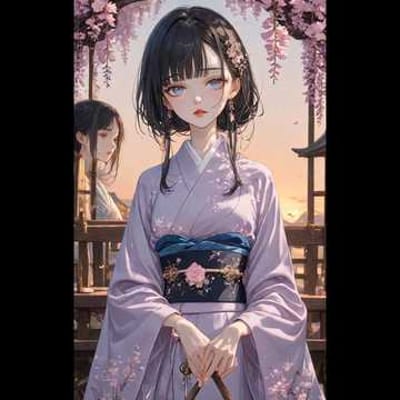
この歌詞は、平安時代の女房たちの視点を借りて、宮廷に仕える女性たちが心の奥で抱いていた不満や嘆き、そして風刺を、美しい言葉とともに綴った作品です。
香を焚き、琴を奏で、恋文を代筆しながら、「理想の女性」としての役割を求められる彼女たち。その一方で、見かけ倒しの教養や、己を飾ることにしか興味のない貴族たちの姿に、内心では冷ややかな視線を向けていました。
「あはれ あはれ うつけの君よ」という繰り返しには、尊大で中身のない男たちへの嘲笑と哀れみが込められてます。またこれは、**静かなる告発の詩(うた)**であり、平安の帳の内から届く、千年越しのため息です。
This song draws on the perspective of court ladies (nyōbō) in the Heian period, giving voice to the quiet frustrations, laments, and sharp wit hidden beneath their elegant roles.
Amid the scent of incense, the sound of koto strings, and the art of ghostwriting love letters, these women were expected to embody the ideal of refined femininity. Yet behind their composed expressions, they often cast a cold and knowing gaze upon the noblemen—men obsessed with appearance, hollow displays of learning, and their own inflated sense of elegance.
The recurring line, "Ah, ah, foolish lord," is laced with sarcasm and pity, aimed at these self-important but shallow figures.
This is more than a love song—it's a quietly scathing poem of protest, a whispered sigh from behind the silk curtains of a thousand-year-old court.
Verse 1
香の雫を 振り撒きながら
牛の後より ゆるりと来ませ
泡沫(うたかた)の夢 語るその声
琴の調べに 合わぬことよ
現代訳:
香をふりまいて、牛車の後からゆったりとやってくるあなた。
泡のような儚い夢を語るその声は、
美しい琴の音にはどうしても調和しない。
Verse 2
仰せのままに 筆を執れば
恋文の句も 私の歌よ
「名文なり」と うなずく君は
誰が詠みたるか 知らぬままで
現代訳:
お望み通りに筆をとって書けば、恋文の句すら私の詩になる。
「良い文章だ」とうなずくあなたは、
それを誰が書いたかも知らずにいる。
Pre-Chorus
教えも知らずに 語る道理
姿ばかりで 風をまとうな
現代訳:
何も知らないのに道理を語らないで。
外見だけで知的なふりをしないことね。
Chorus
あはれ あはれ うつけの君よ
袖を広げて 風を読むふり
心なき歌 顔ばかりなる
名ばかりの花に 蝶は寄らぬぞ
現代訳:
ああ、ああ、愚かなあなたよ。
袖をひろげて風を読んでいるふりをして、
心のこもらない歌、顔だけの存在。
名ばかりの花に、蝶は寄りつかない。
Verse 3
冠かざして 空を仰げば
教養きふりして しらをきる
「道の奥義は 深く知らず」と
問えば笑みつつ 話そらす
現代訳:
冠をかかげて空を仰げば、まるで教養人のようにふるまってしらばっくれる。
「学びの奥深さは知らぬ」と問えば、笑って話を逸らすだけ。
Verse 4
夜半の御呼び 応えはすれど
夢の覚め際 聞く気もなしに
「君のため」とぞ 飾る言葉は
鏡の裏の 影に似たり
現代訳:
夜中の呼び出しには応じるけれど、
夢から覚める頃には、話を聞く気もない。
「あなたのため」と飾った言葉は、
鏡の裏の影のようにうつろである。
Bridge
誰そ笑うや 帳の内で
袖に染みたる 恋の嘘
笛の音色も 人任せなり
空に消ゆるは 誉れのみ
現代訳:
帳(とばり)の中で、誰が笑っているのだろう。
袖にしみた恋の嘘。
笛の音すら人に任せて、
空に消えていくのは、名誉ばかり。
Final Chorus
あはれ あはれ うつけの君よ
笛の音までも 人任せなり
香りばかりの その誉れなど
ひと夜の露と 消ゆるのみ
現代訳:
ああ、ああ、愚かなあなたよ。
笛の音すら自分で奏でず、人任せ。
香りだけのその名誉など、
一夜の露のように、儚く消えるだけ。
Verse 1
Scattering drops of scented oil,
You drift behind the ox-drawn cart so gracefully.
The voice that speaks of fleeting dreams—
How it clashes with the koto’s melody.
---
Verse 2
At your request, I take up the brush,
Even a love letter becomes my verse.
You nod, saying, “What a fine poem,”
Unaware of the hand that penned it.
---
Pre-Chorus
Don’t speak of truth you never learned.
Don’t wear the wind of wisdom with just your looks.
---
Chorus
Ah, ah—foolish noble lord,
Spreading your sleeves as if to read the wind.
A song without soul, a face without depth,
Even butterflies avoid flowers in name alone.
---
Verse 3
You raise your crown and gaze at the sky,
Pretending to be a man of learning.
When asked of deeper knowledge,
You laugh and change the subject.
---
Verse 4
You summon me at midnight, and I come—
But at dawn, you’ve no mind to listen.
Your words, adorned with “for your sake,”
Are like shadows behind a mirror.
---
Bridge
Who laughs behind these curtains now?
My sleeves are stained with love’s falsehoods.
Even the flute’s sweet sound is borrowed—
And what fades into the sky is honor alone.
---
Final Chorus
Ah, ah—foolish noble lord,
Even your flute is played by another’s hand.
Fame that’s only fragrance—
It vanishes like dew after one brief night.